September 21, 2026
Selecting the ideal surfacing material for kitchen and bathroom installations represents a pivotal decision for property owners seeking to create functional, aesthetically pleasing living environments. Among the wide array of available surfacing options, engineered quartz and natural granite stand out as two of the most popular and durable choices across modern residential architecture. Both materials offer distinct visual appeal, impressive physical durability, and exceptional resilience against daily wear and tear in high-traffic household spaces. Understanding the unique characteristics, performance attributes, and care requirements of each material empowers property owners to make informed choices tailored to their specific lifestyle needs.
While both materials enhance the visual character of interior spaces, their underlying compositions and performance profiles differ significantly. Engineered quartz combines natural crushed minerals with polymer resins to produce non-porous, highly uniform slabs. Conversely, authentic natural stone slabs sourced directly from quarries showcase unique geological patterns and natural beauty formed over millions of years. Evaluating how engineered quartz and natural granite countertops perform across everyday household environments requires analyzing factors such as heat resistance, moisture resistance, maintenance routines, and long-term durability across decades of continuous domestic use.
Comparing Structural Composition and Material Origin
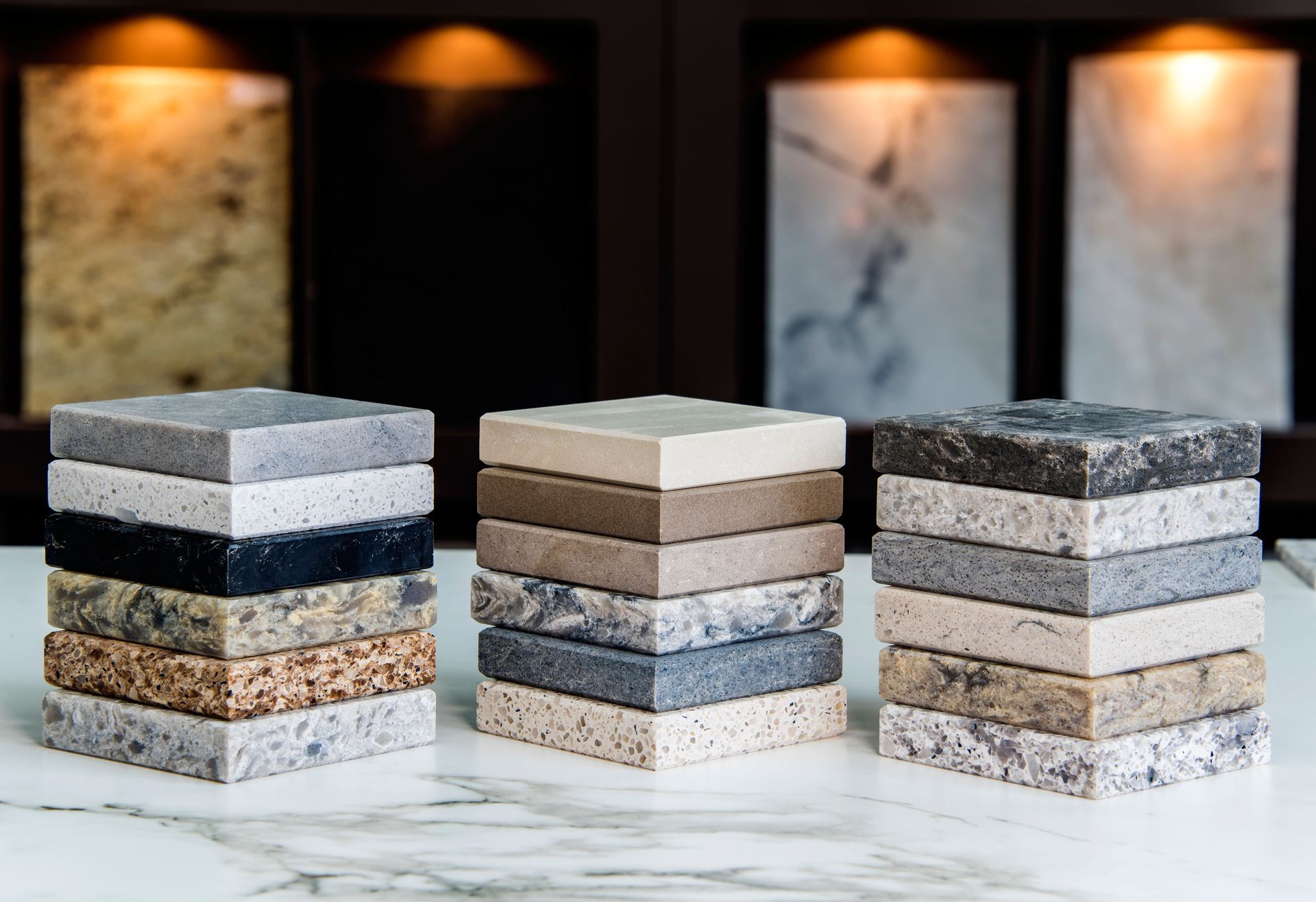
Understanding how surfacing materials are created provides essential insight into their long-term performance characteristics across demanding residential applications. Engineered quartz surfaces consist of refined quartz crystals combined with industrial resins, pigments, and binding agents under intense pressure and heat. This specialized manufacturing process yields dense, non-porous slabs with consistent color patterns and predictable structural uniformity across large surface areas. The controlled production environment allows manufacturers to create slab designs ranging from solid minimalist shades to intricate patterns that mimic natural marble or limestone.
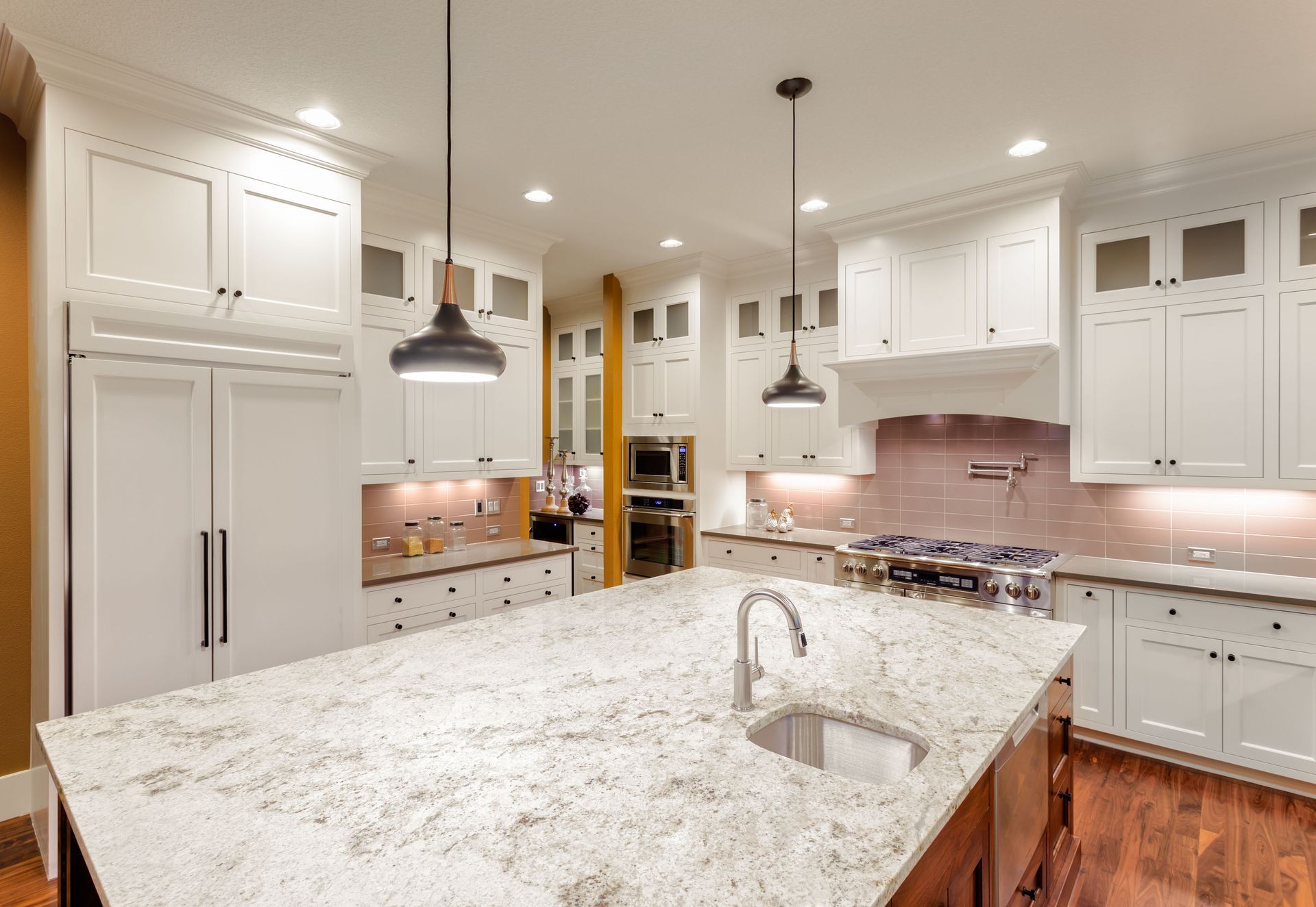
In contrast, natural stone slabs originate within deep geological formations where intense heat and pressure fuse quartz, feldspar, mica, and other minerals into dense, igneous rock. Quarry operators extract massive blocks from natural stone deposits before slicing them into individual slabs and polishing their surfaces. Because each slab reflects unique geological conditions, no two pieces are identical, offering homeowners an authentic, one-of-a-kind focal point for their kitchen or bathroom installations. Choosing authentic granite countertops guarantees that your home features a unique surface crafted entirely by natural geological processes.
Evaluating Thermal Performance and Heat Resistance
Thermal resistance represents a critical performance factor for kitchen surfaces where hot cookware, boiling liquids, and warm serving dishes regularly come into contact with the surface. Natural stone surfaces excel exceptionally well under elevated temperatures due to their formation under extreme geological heat. Placing hot pans, baking sheets, or warm appliances directly onto natural stone will not scorch, discolor, or structurally compromise the material, making it an ideal choice for active home cooks who require maximum heat tolerance during daily meal preparation.
Engineered quartz surfaces offer good heat resistance for everyday kitchen activities, but their polymer resin binders make them more susceptible to thermal shock and resin discoloration when exposed to sudden, extreme heat sources. Direct contact with hot cookware can cause localized burning, surface discoloration, or hairline structural cracking within the synthetic binders. Consequently, homeowners utilizing engineered quartz must consistently rely on trivets, hot pads, and protective thermal barriers to preserve surface integrity, whereas authentic granite countertops easily withstand direct contact with high heat sources without suffering structural damage.
Assessing Surface Porosity and Stain Vulnerability
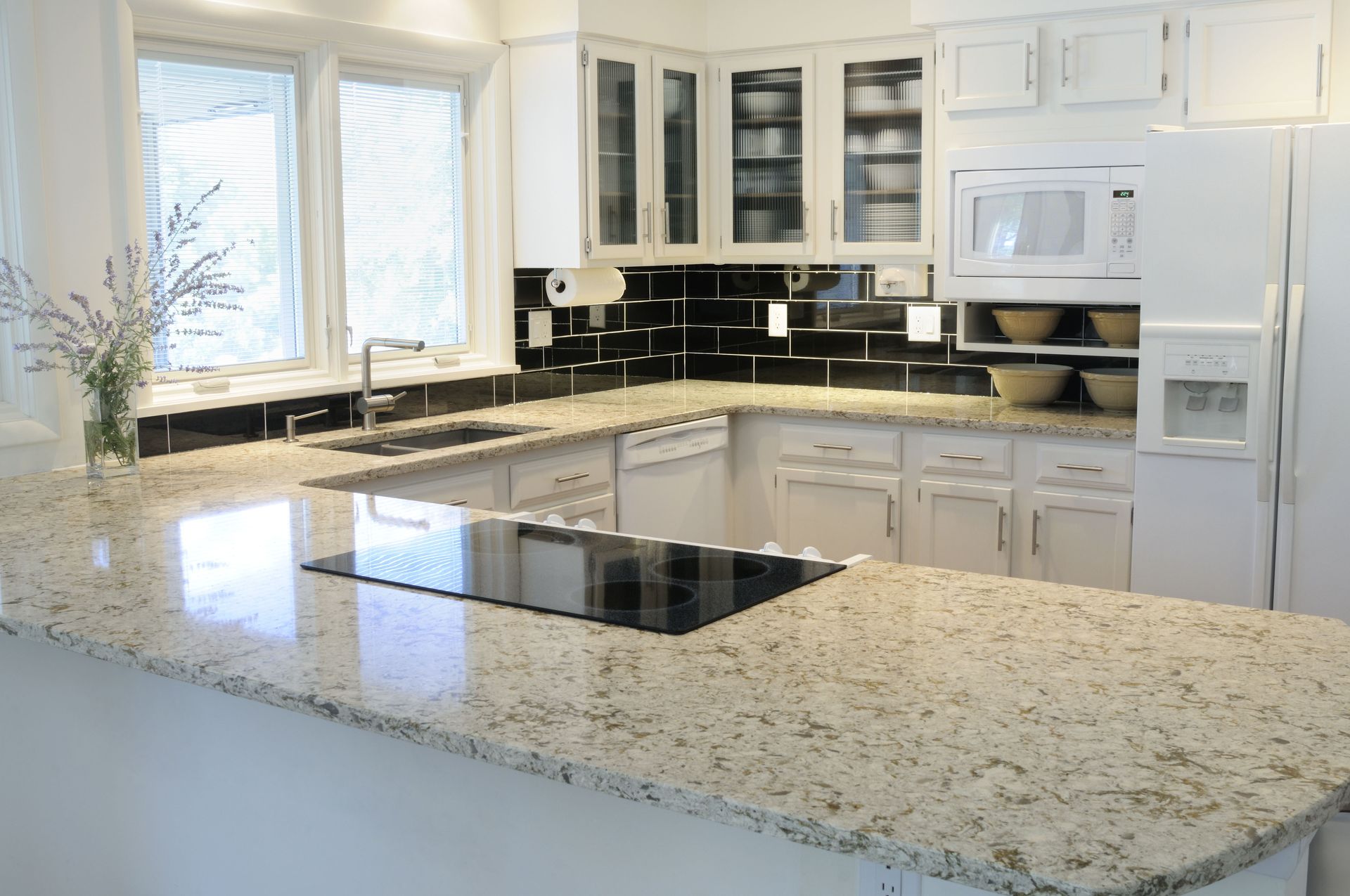
Surfacing materials in kitchens and washrooms must routinely endure exposure to water, oils, acidic liquids, and vibrant food pigments throughout daily food preparation. Engineered quartz features an entirely non-porous structure resulting from its resin-bound manufacturing process, meaning liquids cannot penetrate the surface to cause permanent staining or foster bacterial growth. This inherent moisture barrier eliminates the need for periodic sealing treatments, making engineered quartz remarkably simple to sanitize and maintain using simple soap and water routines.
Natural stone features a naturally microporous structure that requires proper sealing treatments to prevent liquid absorption and staining over time. When properly sealed with high-performance impregnating sealers, natural stone repels moisture, oils, and dark liquids like coffee or red wine effectively. According to Grandview Research, international earnings across the global granite sector reached $41,847.9 million in 2024, demonstrating the massive demand for natural stone surfacing materials. Maintaining periodic sealing routines ensures that natural stone remains fully protected against moisture infiltration throughout decades of daily domestic activity.
Analyzing Scratch Resistance and Surface Hardness
Daily kitchen activities involve knives, heavy cookware, ceramic dishes, and appliance movements that can cause surface abrasion if the material lacks sufficient hardness. Both engineered quartz and natural stone rank high on mineral hardness scales, making them exceptionally resistant to scratches, scuffs, and surface dulling over extended periods. Engineered quartz incorporates tough quartz minerals that easily withstand routine kitchen tasks without scratching under normal cutting pressure.
Natural stone offers comparable surface hardness, allowing homeowners to perform meal preparation without worrying about accidental knife marks or surface scuffs. However, slicing directly on either surface can dull culinary cutlery rapidly, so using wooden or plastic cutting boards remains best practice regardless of material choice. Property owners who install high-grade granite countertops enjoy surfaces that resist scratching, gouging, and surface wear, preserving their pristine polished finish across years of continuous family food preparation.
Examining Long-Term Durability and Outdoor Suitability
Long-term performance extends beyond interior kitchen islands to encompass outdoor kitchens, covered patios, and sunlit spaces throughout a property. Engineered quartz performs extraordinarily well in climate-controlled interior environments, but exposure to direct ultraviolet sunlight can degrade the polymer resins over time. Prolonged UV exposure causes synthetic binders to yellow, fade, or lose their surface luster, making engineered quartz unsuitable for outdoor installations or areas exposed to unfiltered sunlight.
Natural stone exhibits complete immunity to ultraviolet degradation, thermal freezing cycles, and fluctuating weather conditions, making it the premier choice for both indoor and outdoor kitchen spaces. Sunlight will not alter the natural color pigments or degrade the mineral bonds within authentic natural stone slabs over time. Selecting versatile granite countertops allows homeowners to create seamless indoor-outdoor architectural transitions that retain their vivid visual character and structural integrity regardless of environmental exposure.
Reviewing Aesthetic Diversity and Visual Character
Visual appeal plays a central role in selecting surfacing materials that harmonize with cabinetry, flooring, and architectural design elements. Engineered quartz offers unmatched pattern consistency, allowing property owners to select slabs with highly predictable veining, color tones, and distribution. This uniformity makes engineered quartz particularly popular for modern, contemporary, or minimalist designs that require clean lines and uniform color transitions across multiple expansive surfaces.
Natural stone provides a rich, dynamic aesthetic characterized by intricate mineral movement, deep dimensional depth, and natural color variations. Each slab tells a geological story, featuring sweeping veins, crystalline specks, and subtle shade shifts that synthetic manufacturing processes cannot fully replicate. Incorporating custom granite countertops into your home creates a striking, organic focal point that infuses living spaces with timeless elegance and unmistakable natural character.
Both engineered quartz and authentic natural stone provide exceptional performance, visual elegance, and lasting durability for modern residential spaces. Engineered quartz delivers a non-porous, low-maintenance surface with consistent pattern options, ideal for homeowners seeking low-maintenance living. Meanwhile, natural stone provides unmatched thermal resistance, outdoor versatility, and authentic geological beauty that enhances interior environments with timeless sophistication. Evaluating your household routine, cooking habits, and design preferences will guide you toward the surface material that delivers the highest long-term satisfaction for your home.
If you are ready for exquisite granite countertops and master craftsmanship, contact us at Black Diamond Stone, LLC today. We will help you select and install the perfect surfaces to elevate your living environment.